Domestic Tours
International Tours
Packages
Deals
Blog
About
Contact
Sagrada Família · Alhambra · Flamenco · Prado Museum · Las Ramblas · Ibiza
Packages starting from ₹89,999 per person
Barcelona (3N) → Madrid (2N) → Seville (2N)
Barcelona (3N) → Valencia (1N) → Madrid (2N) → Toledo (day trip) → Seville (2N) → Granada (2N)
Seville (3N) → Córdoba (1N) → Granada (2N) → Málaga/Costa del Sol (2N)
Barcelona (3N) → Madrid (2N) → Seville (2N) → Lisbon (3N) → Porto (2N)
Spain is one of Europe's most electrifying travel destinations — a country where extraordinary art, passionate music, architectural genius, world-class cuisine, ancient history, and Mediterranean beaches all coexist with an ease and vibrancy that feels almost unreal. For travellers from Delhi, Mumbai, Bangalore, Hyderabad, Chennai, and Kolkata, Spain offers an intensity of cultural experience that matches — and in many ways surpasses — even France and Italy. For those from Ahmedabad, Jaipur, Pune, Noida, Chandigarh, Lucknow, Surat, and Indore, Spain's Moorish architectural heritage — the Alhambra, La Mezquita, Alcázar — resonates with particular depth, revealing centuries of Islamic influence on European civilisation.
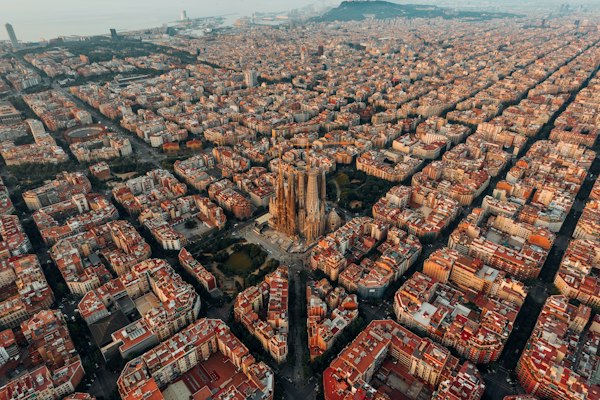
No city on earth looks quite like Barcelona. Antoni Gaudí (1852–1926) remade Barcelona in his own extraordinary vision — a blend of Catalan Modernisme, Gothic influence, and Art Nouveau that looks unlike anything else in architecture. The Sagrada Família, Gaudí's masterpiece, has been under continuous construction since 1882 and is expected to be completed by 2026. When complete, it will be the tallest church in the world. The interior — a forest of branching stone columns supporting stained-glass walls that flood the nave with coloured light — is possibly the most beautiful interior space ever created by human hands. Park Güell's mosaic terrace, Casa Batlló's organic facade, and the surreal Casa Milà (La Pedrera) make a pilgrimage through Gaudí's Barcelona an experience unlike any other on earth.
The Alhambra palace complex in Granada is, for many visitors, the most beautiful building they have ever seen. Built by Nasrid sultans between 1238–1358 CE, it represents the pinnacle of Islamic art in Europe. The Nasrid Palaces — particularly the Court of the Lions and the Hall of the Two Sisters — are covered floor to ceiling in muqarnas (honeycomb stalactite vaulting), zellij tile work, and arabesque plaster carving of such extraordinary intricacy that the walls seem to dissolve into pure geometry. Washington Irving wrote his famous Tales of the Alhambra here (1829), and the building has not stopped inspiring writers, architects, and artists ever since. For travellers from the Indian subcontinent, the Alhambra's architectural vocabulary — geometric patterns, water channels, courtyard gardens — resonates powerfully with the Mughal architectural tradition it influenced.
The Mezquita-Catedral of Córdoba is the most paradoxical building in Europe: a 10th-century Islamic mosque of 856 columns and 1,000-arched horseshoe arches, in the centre of which a Christian cathedral was inserted in the 16th century. The result — condemned by King Carlos V himself upon completion as "destroying something unique to build something ordinary" — is nonetheless one of the most spectacular interiors on earth. Walking through the forest of red-and-white striped arches, then suddenly encountering the Gothic choir stalls and Baroque altar emerging from the mosque, is one of history's most jarring and memorable juxtapositions. Córdoba was the largest and most sophisticated city in Western Europe in the 10th century, home to 500,000 people, 70 libraries, and 3,000 mosques.
Madrid is arguably the world's greatest city for art museums, with three world-class institutions within walking distance of each other. The Prado Museum houses the world's finest collection of Spanish painting (Velázquez's Las Meninas, Goya's Black Paintings, El Greco's Toledo) plus masterpieces by Rubens, Titian, and Bosch. The Reina Sofía is home to Picasso's Guernica — the most powerful anti-war painting in art history, 11 feet tall by 25 feet wide, depicting the 1937 Nazi bombing of a Basque town. The Thyssen-Bornemisza museum fills the gaps: from medieval icons to Impressionism and Pop Art. Three world-class museums, one afternoon each — Madrid is where art pilgrims come.
Flamenco is not performance — it is a form of emotional expression so intense it is classified by UNESCO as an Intangible Cultural Heritage of Humanity. The combination of guitar, voice (cante), percussion (palmas), and dance creates an experience that operates directly on the nervous system. The best flamenco is seen in Seville (birthplace of the art form), Granada's Sacromonte caves (raw Gitano performances in cave venues), and Madrid's tablaos. Watching a great flamenco artist in a small venue — close enough to see the veins in the dancer's neck and the tears in the singer's eyes — is the kind of experience that rewires how you think about music and emotion. Even travellers who have never been interested in dance or music find themselves deeply moved.
Schengen visa assistance + personalised itinerary in 2 hours
Packages from ₹89,999 per person
Flights · Hotels · Tours · Transfers
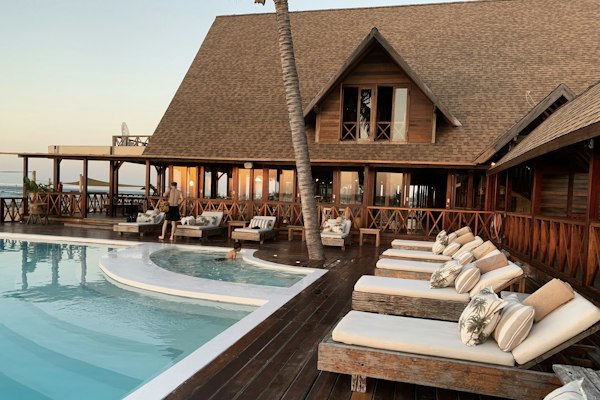
Boutique hotel in El Born, the coolest neighbourhood; 10 min walk to Sagrada Família
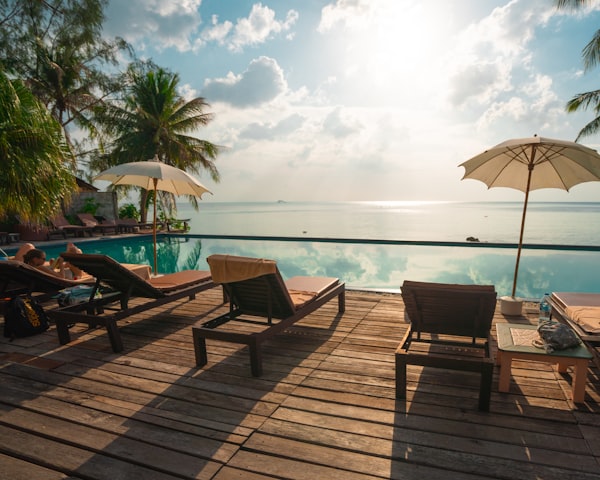
Rooftop pool with Cathedral views; in the heart of Santa Cruz barrio
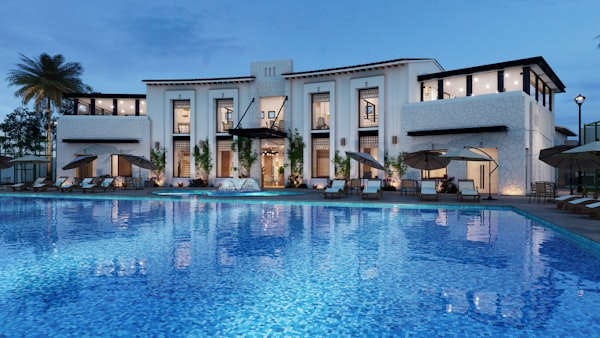
Beachfront tower designed by Frank Gehry; pool, spa, and the best sea views in BCN
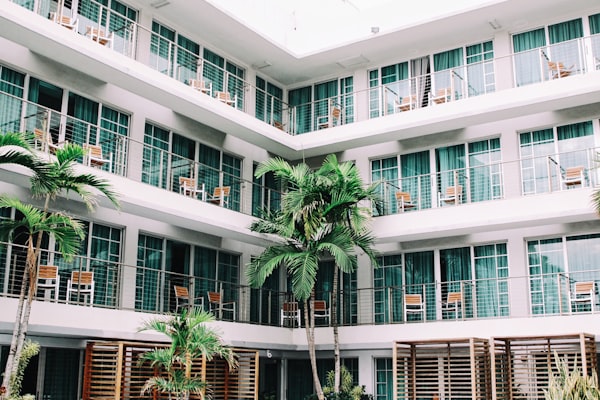
Inside the Alhambra grounds — a former convent within the palace walls. Unbeatable location

1910 Belle Époque palace opposite the Prado; the most historic luxury address in Madrid
1929 Mudéjar palace — the most beautiful hotel lobby in Spain, next to the Alcázar


Cool & quiet; great deals; museums perfect
Carnival (Cádiz, Tenerife); warming south
Las Fallas Valencia (fire festival Mar 15–19)
Seville's Feria de Abril; Semana Santa
Perfect 22°C; crowds manageable; beautiful
Beach season opens; long evenings; festivals
Peak summer; 35°C+ Madrid; crowded
San Fermín Pamplona; hottest, most crowded
La Mercè Barcelona; warm & uncrowded
Golden autumn; perfect for Andalucia
Quiet; great value; museums uncrowded
Christmas lights spectacular in all cities
Alhambra Nasrid Palace tickets (the most important part) are limited to 6,000 visitors per day and sell out 2–3 months in advance during peak season. Book at patronato-alhambra.es the moment your dates are confirmed. Luxytrix will handle this booking as part of your package — do not leave it to chance.
Spain's Renfe AVE high-speed trains are fast, comfortable, punctual, and often cheaper than internal flights. Barcelona–Madrid (2.5 hrs), Madrid–Seville (2.5 hrs), Seville–Granada (3 hrs). Book at renfe.com 60 days ahead for the best prices. Business class "Preferente" offers meals, more space, and is worth the upgrade for long routes.
Spain's meal times shock most visitors: lunch is the main meal (2–4 PM), dinner rarely before 9 PM (10–11 PM is normal in Madrid). Tapas bars open from 1 PM and again 7–11 PM. The best tapas are at the bar standing, not at tables (higher turnover = fresher food). Never order sangria in a serious bar — it marks you as a tourist.
Spain is part of the Schengen Area — Indian nationals need a Schengen visa (EUR 80, apply 3–6 months ahead at Spain's consulate/VFS Global). Apply at the consulate of the country where you spend the most nights. Spain is usually chosen as the main destination. Luxytrix provides complete documentation support and appointment booking assistance.
In July–August, temperatures in Seville, Córdoba, Granada, and Madrid regularly exceed 38–42°C. Follow the Spanish siesta model: major sightseeing 9 AM–1 PM, then retreat to air-conditioning or a cafe until 5 PM, then resume evening activities until midnight. This is not laziness — it's how locals survive. Carry 2L water and SPF 50 at all times.
Seville: Tablao El Arenal (most authentic) and Casa de la Memoria (intimate cave venue). Granada: Cueva La Rocío in Sacromonte (raw Gitano cave flamenco). Madrid: Corral de la Morería (most prestigious, founded 1956) and Cardamomo. Avoid tourist-trap dinner-and-flamenco shows in large venues near the main attractions — the quality drops dramatically.
The Sagrada Família made me cry — I've never been so overwhelmed by a building. The Alhambra was beyond words. Luxytrix got our Alhambra tickets sorted 3 months ahead — without that we'd have missed the whole point. Spain is the most beautiful country I've ever visited.
Our group of 12 did the Grand Spain tour. The flamenco show in Seville was electric — the most intense performance any of us had ever seen. Guernica in the Reina Sofía stopped us cold. La Mezquita in Córdoba made us feel the deep connection between Islamic and European architecture. Spain is extraordinary.
Stayed in Granada for 3 days and could have stayed 3 weeks. The free tapas culture is real and wonderful — every beer comes with amazing food. Watching the Alhambra turn gold at sunset from Mirador de San Nicolás with a glass of local wine was the single greatest evening of my life.
Took the family on the Spain + Portugal combo. 13 days — completely worth it. Barcelona's energy, Madrid's art, Seville's passion, Lisbon's soul, Porto's wines. Luxytrix's documentation support for the Schengen visa was invaluable — we got it first try. Best European trip possible!
Yes. Indian citizens need a Schengen visa to visit Spain (and other Schengen countries). Apply at the Spain consulate/VFS Global in your city. Fee: EUR 80 (approximately ₹7,200). Apply 3–6 months before travel. Documents needed: confirmed flight bookings, hotel bookings, bank statements (last 3 months), salary slips, ITR/business proof. Luxytrix provides complete documentation checklist and appointment booking support.
Alhambra Nasrid Palace tickets must be booked as early as possible — tickets are released 90 days in advance and during peak season (April–June, September–October) they sell out within hours of release. Book immediately after your dates are confirmed at patronato-alhambra.es. Luxytrix handles this booking as a standard part of all Spain packages. Without pre-booked tickets, you cannot enter the Nasrid Palaces — the most important part of the Alhambra.
For a classic Spain tour, fly into Barcelona and out of Málaga (or Seville) — this allows a south-to-north linear journey without backtracking. For the Andalucia Special, fly into Seville directly. For a city-only trip, fly into and out of Madrid. Schengen rules require applying for the visa through the country where you spend the most nights or where you first enter Schengen — Luxytrix advises on the correct consulate.
Spain has improved dramatically for vegetarians in recent years. Barcelona and Madrid have excellent vegetarian restaurants. Pan con tomate, patatas bravas, tortilla española (potato omelette — occasionally has chorizo, always ask), gazpacho (cold tomato soup), pimientos de padrón, croquetas de verduras, and most tapas can be vegetarian. In smaller towns and traditional restaurants, options may be limited — Luxytrix briefs hotels and guides on dietary requirements. Andalucia particularly excels with vegetable-based dishes.
Spain uses the Euro (EUR). 1 EUR ≈ ₹90–95. Spain is mid-range expensive: a tapas lunch for two costs EUR 25–40; a mid-range dinner EUR 40–60; coffee EUR 1.50. Museums: Prado EUR 15, Sagrada Família EUR 26–36. Budgeting EUR 80–120 per person per day for food, small museums, and local transport is reasonable. Barcelona and Madrid are more expensive than Andalucia cities.
Yes — Spain's Schengen visa allows entry to all 27 Schengen member states. Common combinations: Spain + Portugal (15 days, highly recommended — one Schengen visa covers both), Spain + France + Italy (3-week grand European tour), Spain + Morocco (Schengen covers Spain; Morocco requires separate visa or tourist stamp). The Spain–Portugal combo is the most popular with Indian travellers as both countries are equally rewarding and adjacent.